Most players decide whether they trust a game before the first enemy appears. They are not reading the tutorial text. They are reading the world: how the camera moves, how the character responds, whether the game seems to know they are there.
At Parallel Engine, we treat the opening minutes as a contract. Not a content gate. Not a place to hide the story behind a cutscene. A contract that says: here is what this game values, and here is what it will ask of you.
Start with a feeling, not a feature
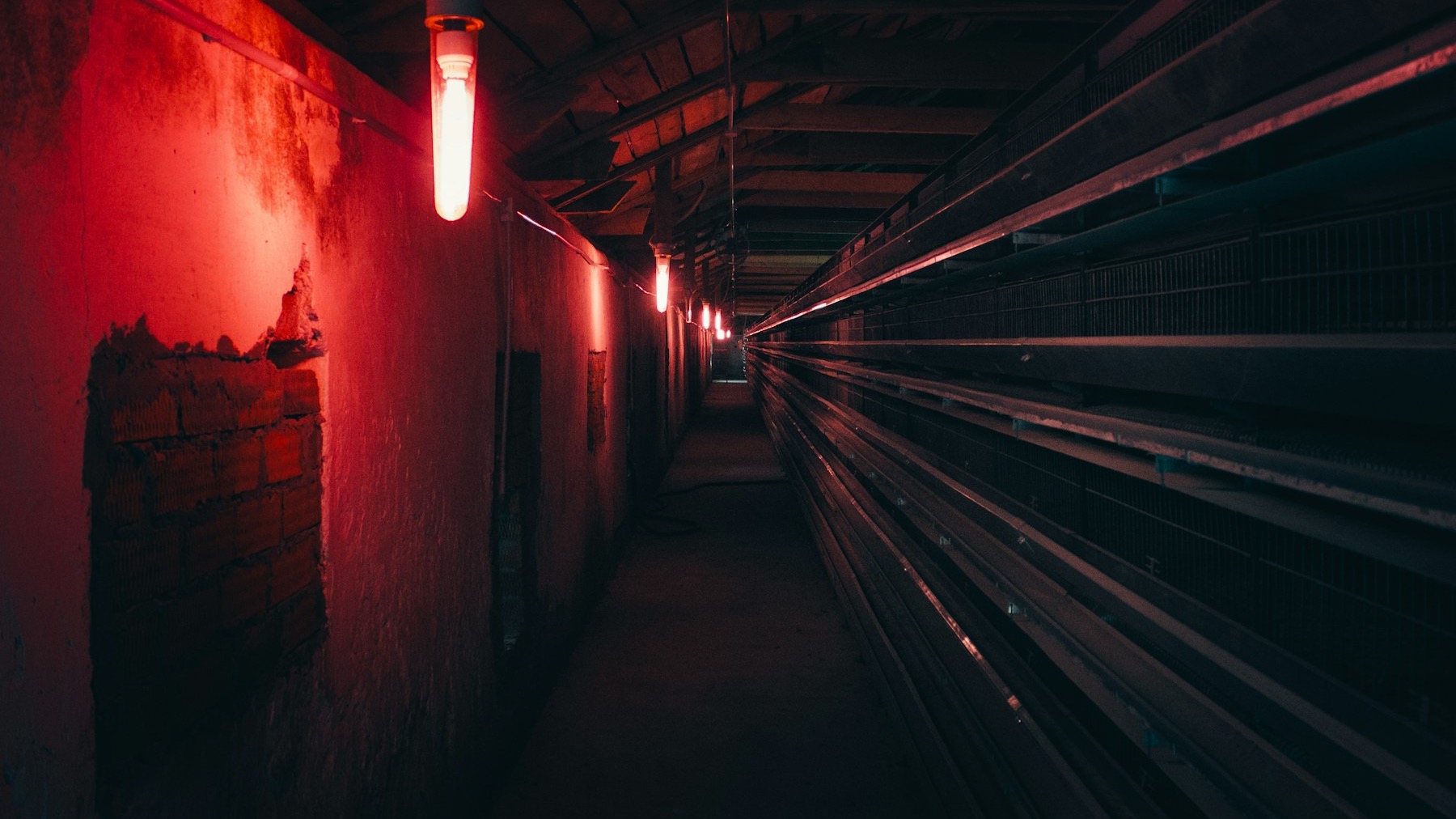
A common mistake is to open with a checklist. Move, jump, shoot, open inventory. The player learns the buttons, but not the game. We try to find the one feeling the game is built on and make the first interaction express it. In Zombie: Apocalypse, that feeling is the moment a door opens and something else hears it. The first room does not explain the comfort settings. It gives you a torch, a closed door, and a reason to move slowly.
The controls can be taught in seconds. The feeling has to be designed.
A tutorial is not the first five minutes. The first five minutes are the tutorial.
Make the player complicit
Trust grows when a game lets the player make a small decision and then shows the consequence. Not a fake choice with a reload button. A choice that changes the texture of the next room, the next line, the next route. In Operation Frontier, the first choice is a route through the fence. It is not a menu option. It is a promise that the outpost will remember where you went.
This is harder than scripting a set piece. It means the opening has to be built twice: once as a sequence, and once as a system. The sequence makes the promise. The system keeps it.
Three questions we ask before we build
- What does the player feel in the first thirty seconds?
- What do they do that only this game would let them do?
- What do we want them to wonder about when the screen goes dark?
If we cannot answer those questions, we are not ready to build the opening. We are still building a feature list.
The first five minutes are not a tutorial. They are the smallest complete version of the game. In VR, they are also the moment the player decides whether their body belongs in the world. Treat them that way, and players will give you the next five hours.