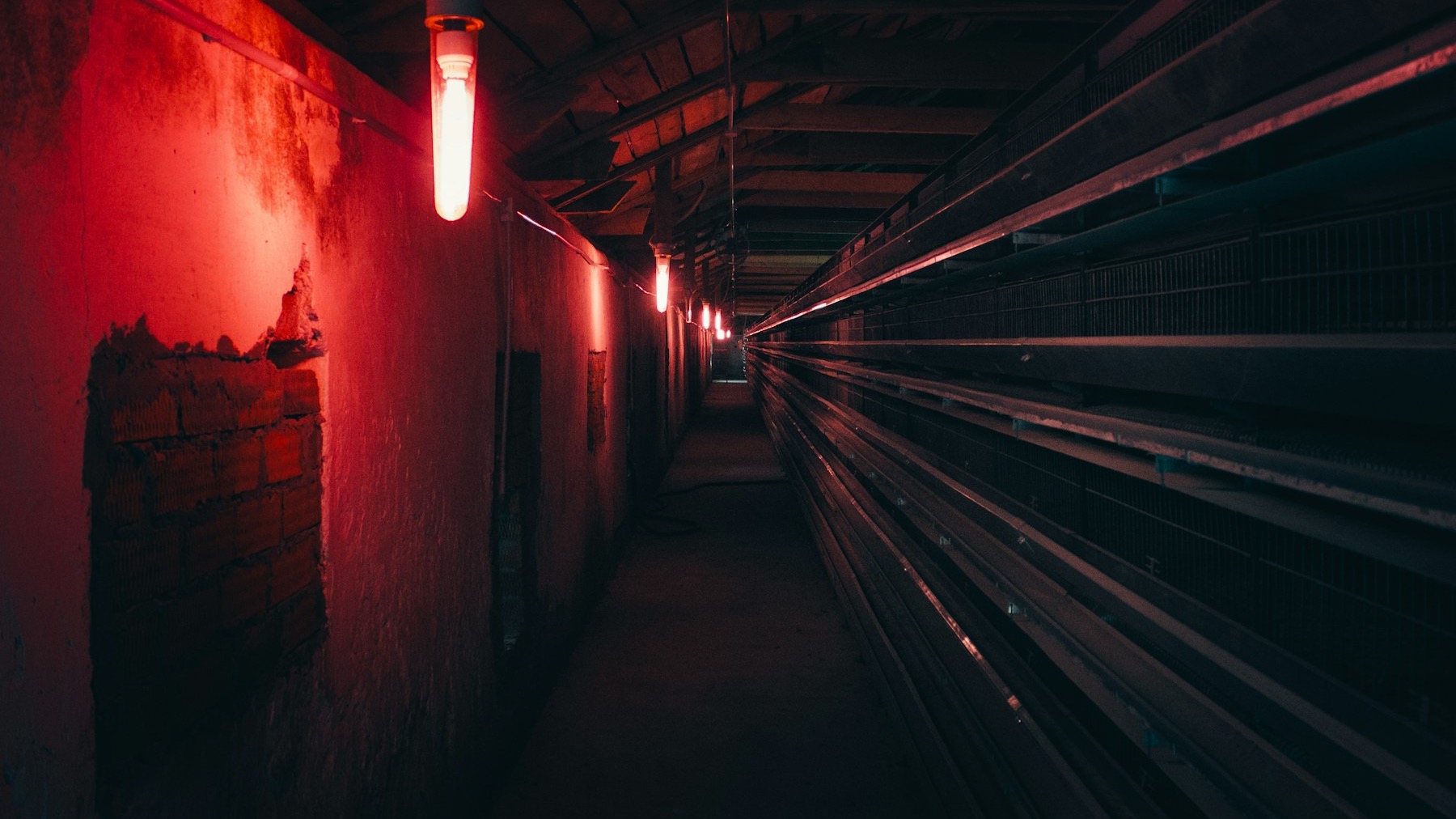
Operation Frontier started with a question: what if the most tense part of a stealth game happened before you moved?
The classics that inspired it, IGI and IGI2, made planning feel like part of the fight. You studied a map, picked a ridge, and committed. The first shot was rarely the beginning. It was the moment the plan stopped being theoretical.
Recon is play
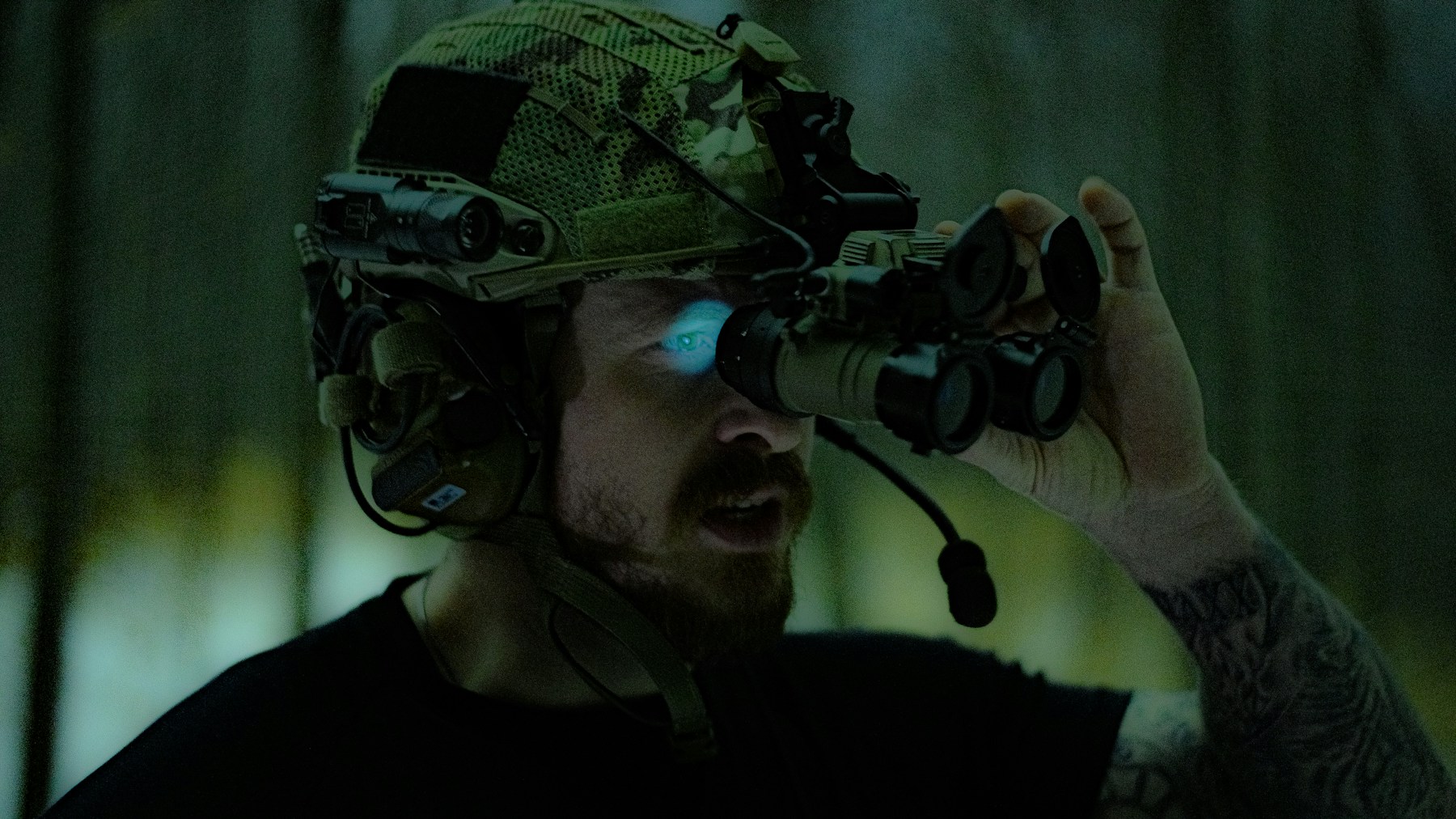
In a flat-screen shooter, reconnaissance often collapses into a minimap. In VR, it can be physical. You raise binoculars, lean around a wall, mark a patrol, and remember the route with your own eyes instead of a waypoint.
That changes the emotional weight of information. A guard you saw with your own eyes is easier to remember than a dot on a HUD. A route you traced by hand feels like yours. When it closes, you feel the loss.
VR makes waiting physical
Waiting in VR is not empty. Your knees ache. Your arms get tired. You hear boots on gravel and have to decide whether to hold position or move. The body keeps the tension alive when the screen would have gone quiet.
We are designing Operation Frontier around that patience. The game rewards a clean approach, but it also expects the plan to break. The interesting moment is not the perfect stealth run. It is the moment you improvise and the mission becomes a different story.
A good plan is one the player can explain with their hands.
Building for Quest 3 first
Operation Frontier is in development for Meta Quest 3, with support for additional VR headsets planned after launch. We are keeping the scope honest: one strong tactical sandbox, tuned until it feels right in the hands, before we expand the hardware list.